The deepest wells rarely ask for gentle compromises. When a family, a farm, or a small industrial operation leans on a well to supply water for livestock, irrigation, or process needs, the pump becomes more than a device. It is a partner in reliability, a stubborn workhorse that refuses to falter when demand spikes and supply fluctuations threaten the schedule. This is especially true when the water demands are heavy. In those moments, choosing the right deep well pump isn’t about chasing the newest gadget or the loudest marketing claim. It’s about understanding the water you’re pulling, the head you must conquer, and the kind of endurance you want to bank on for years to come.
I’ve spent years diagnosing pump failures and recommending replacements in rural settings and commercial sites alike. The pattern is familiar: undersized equipment, marginally efficient motors, or a pump that can’t hold prime under the stress of variable demand. Heavy water usage tests a system in ways that a casual homeowner rarely encounters. It isn’t just a matter of gallons per minute. It’s about sustained performance, long-term reliability, and the peace of mind that comes with knowing you won’t be left waiting for a well to recover.
What makes a pump suited to heavy water demands is not a single feature but a balance of several interlocking factors. You want a unit that can push water up and out with steady pressure, resist wear in the harsh environment of a well bore, and run long hours without overheating. You want components that can handle sediment, variable line voltage, and the occasional power outage without a drama-filled restart sequence. You want serviceable parts and a company that stands behind them. And you want a model and a brand that align with your budget over the long haul, not just the initial purchase price.
Understanding the landscape helps. The core task of a deep well pump is simple on the surface: lift water from a subterranean source to the surface, then push it through a delivery system to your taps, irrigation lines, or processing equipment. The reality, however, is layered. The pump must overcome static head, friction losses in the pipe, and any elevation changes along the route to storage or usage points. If the well produces a lot of water, the system has to handle high flow without cycling the motor to death. If the water has minerals or sediment, wear is accelerated, and seals must be robust enough to survive. If you live in a remote area or toward the end of a rural grid, efficiency and heat management become consequential because you might be running the pump for extended periods or on limited power.
Delving into the practical realities means translating specs into everyday outcomes. The practice of selecting deep well pumps for heavy demands begins with a few concrete questions: How deep is your well and how far is water column from the surface? What is the sustained flow rate required by your household or operation without causing pressure drops or tank cycling? What is the maximum head your system must overcome, including friction losses along the length of the piping? How tolerant is your water supply to sediment and mineral content? What kind of service and parts availability do you have locally or through suppliers you trust?
In the field, these questions play out as a conversation you have with a pump technician or a well contractor. The most reliable approach is to start with a pump that matches the deepest head you expect to encounter and then select a model with a margin for growth. In practice, many operators discover that a pump rated for a slightly higher head than their current needs yields a smoother, quieter operation and reduces the risk of short cycling as demand rises. It’s a bit of risk management wrapped in engineering.
A practical way to frame the core decision is to view the system as a chain: the well, the pump, the pressure tank, and the distribution network. If the pump can push more water than the immediate demand but the tank and piping can’t store or convey it efficiently, the extra capacity is wasted. Conversely, if the tank and lines are overbuilt for the current head, the pump will run dry but continue to consume energy, wearing components in a way that offers little real return. The sweet spot is a pump that aligns with the storage strategy and the daily flow pattern, while still handling occasional spikes without condensing the system into a high-strain event.

Goulds and other established brands sit high on the radar when you’re equipping a system meant to endure heavy use. The Goulds name is long associated with durability, a broad service network, and a history of mid-range to premium performance that translates well in both residential and commercial contexts. When you search for deep well pumps near me or consider where to buy Goulds deep well pumps, you’re weighing more than a price tag. You’re weighing access to parts, availability of service technicians, and the vendor’s willingness to stand by the equipment when a high-demand season hits.
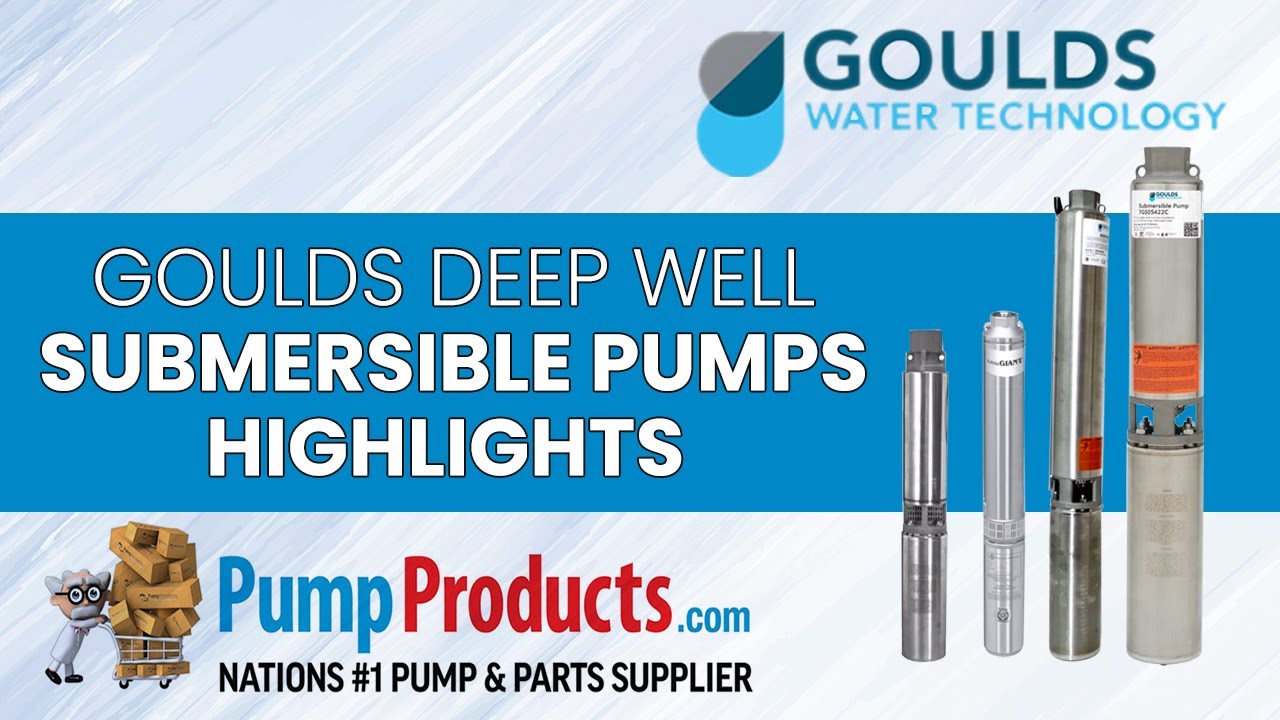
The hardware that truly matters in the heavy-use scenario begins with the pump’s construction and the materials that guard against wear. Stainless steel components and corrosion-resistant motor housings matter a lot when the water is mineral-rich or when you’re in a humid climate where the pump sits in damp or wet environments during service. A long service life depends on high-quality seals, bearings, and impellers that can resist the abrasive load of fine sediment that often accompanies well water. The balance is tricky because more rugged components often push the price upward. The key is to view cost through the lens of total cost of ownership. A slightly more expensive pump that lasts years longer and rarely needs maintenance ends up saving money over the long haul, even if the upfront investment is larger.
To assess the right model, you will want to check the efficiency of the motor and the design of the pump stage. An energy-efficient motor can be a quiet hero in a heavy-use system, particularly if the well runs for long stretches or during peak irrigation times. The pump stages, which are essentially the moving parts that do the actual work of drawing water, should be configured to minimize wear and heat. In heavy-use installations, you’ll often see variable torque or multi-stage configurations that help manage head pressure while keeping suction losses in check. The idea is not to chase the highest flow rate alone but to harmonize flow, pressure, and reliability in a way that serves your daily needs with endurance.
There is a real-world nuance in choosing between vertical turbine pumps, submersible multistage units, and jet pumps when you are sizing for heavy demands. Vertical turbine pumps, especially those designed for deep wells, typically excel at high heads and can deliver steady performance over long elevations. They are well suited to well depths where the water level is reasonably stable and the casing supports a consistent column of water. Submersible pumps, on the other hand, often offer compact form factors, improved efficiency, and better protection against contaminants because the motor is down in the water. They can handle higher volumes with less heat generation in the motor housing, provided they are correctly sized for the lift and the well’s yield. Jet pumps, while still common in some households, are increasingly studied as service replacements for shallower wells or limited head scenarios. In a heavy-use world, jet systems may not be the first choice when you are dealing with deep water courses and high lift requirements because their performance tends to reflect more modest head pressure compared to a premium multi-stage submersible.
The maintenance story cannot be an afterthought. A pump that sits idle through a season only to be slammed back into service when spring arrives is a system ripe for sudden failures. If your well is prone to sediment or mineral content, you will want to schedule regular inspections of the intake screen or filter assembly. Clean screens regularly, check and replace seals and gaskets as recommended by the manufacturer, and keep an eye on motor temperature or vibration. A well-kept pump that receives periodic drive-belt checks, bearing lubrication in non-submerged drives, and appropriate coupling alignment will deliver long, steady performance with far fewer surprises. The ideal maintenance routine is proactive, not reactive. It’s a matter of catching wear before it becomes a leak, a grind, or a loud knock.
The decision to invest in a robust deep well pump often hinges on the realities of the local water quality and infrastructure in your area. If the groundwater is known to be highly mineralized, a pump with electro-polished internal components and high-grade seals will help resist corrosion and pitting. If the well has a deep well pump parts substantial sediment load, you’ll want a model with a more forgiving impeller design and a robust intake screen. If power supply is volatile or if outages are common, consider a unit with a strong, efficient motor and a design that tolerates brief power interruptions without an arduous restart sequence. These details are not merely technical footnotes; they translate into fewer service calls, less downtime, and more reliable access to the water your operation depends on.
None of this happens in a vacuum. Your decision is anchored in a real budget, a real history of water problems, and a real plan for how you will use the water on a daily basis. A farm might rely on a well for irrigation during long dry spells and for animal hydration year-round. A household with a large family or a guest rental property might rely on the same well system to supply showers, laundry, and drinking water. A small business may use the well to support a cooling system, process water, or wash operations. Each scenario places different stresses on the pump and the system around it. The common thread is the need for a pump that can handle sustained operation, balancing capacity with reliability, and doing so in a way that minimizes total costs over time.
In practice, the brands that consistently earn trust in heavy-use environments share a characteristic: they offer clear guidance through the purchase, installation, and service journey. When people ask where to buy Goulds deep well pumps or where to find deep well pumps near me, they are often looking for a straightforward path to a dependable product and a trustworthy support network. A vendor who can pair a robust selection with well-documented specifications, honest performance claims, and a willingness to discuss installation nuances tends to improve the odds of a successful outcome. It is not enough to obtain a pump; you want a relationship with a supplier who helps you size correctly, assists with site preparation, and keeps parts on hand for predictable maintenance and quick repairs.
The practical takeaway for someone facing heavy water demands is this: size the system for the worst case scenario you can reasonably anticipate, then give yourself a margin for growth. It is better to choose a pump with capacity that exceeds today’s needs by a comfortable margin than to strain the system trying to squeak by. In many households and farms I have worked with, that margin often translates into the difference between a calm, predictable summer and a season defined by frantic maintenance calls, unexpected outages, and a backlog of chores that never seems to end. The goal is steady water pressure, clean supply, and a system that remains quiet and dependable even as the demand curve spikes.
A few concrete scenarios help illustrate how these choices play out. Consider a rural property with a well depth of 250 feet and a static water level at 60 feet. The daily irrigation plan calls for about 60 gallons per minute during peak hours, with a baseline household draw that sits closer to 15 gallons per minute. In this case, a multi-stage submersible pump with an efficient motor and a 1 to 1.5 horsepower rating, properly matched to the well’s yield, creates a comfortable operating envelope. It keeps the pressure tank reasonably charged during peak use, avoids excessive cycling, and minimizes energy waste. The same property would benefit from a filter and screen upgrade to minimize sediment introduction into the system. The result is a durable setup that survives seasonal demand swings without becoming a headache.
A different scenario involves a farming operation where livestock and irrigation must be supported through a long, hot summer. The well depth and yield are forgiving, but the water demand remains high for weeks at a time. Here, a robust vertical turbine pump with high-capacity stages can provide the head and flow that keep troughs topped and irrigation lines pressurized. The trade-off is that these units can be more expensive upfront, and installation requires careful alignment with the well’s depth and lining. Yet the long-term reliability and the cost savings from reduced maintenance and downtime can easily justify the choice if the operation depends on uninterrupted water flow.
If you are evaluating options, you might ask a few critical questions to guide your decision without getting lost in feature lists. How will the pump perform at the maximum head you anticipate, not just at the typical operating point? Will the motor run efficiently during the longest parts of the day when you need continuous flow? What is the expected wear rate given your water quality and the presence of sediment or hardness minerals? Does the supplier provide a straightforward path to parts and service in your region, and is there a clear warranty that covers the most likely failure modes in a heavy-use setting? These questions translate into a more robust, resilient system rather than a plug-and-play purchase that looks good on paper but disappoints under real pressure.
In the end, the best deep well pumps for heavy water demands are the ones that align with your site realities. They balance head, flow, efficiency, and durability while offering a pragmatic service story. They come from brands that provide reliable parts support and clear guidance on installation and operation. They tolerate the inevitable variations in groundwater quality and power availability without turning into maintenance nightmares. And they help you make a plan that keeps your water flowing when you need it most.
Two practical notes to close on, drawn from years of field experience. First, never underestimate the value of a good consultation with a well contractor or pump technician who has worked in your region. Local conditions matter—soil type, aquifer characteristics, and typical well depths influence which pump design performs best. A small investment in professional advice at the outset often prevents mis-sizing and a cascade of avoidable problems later. Second, remember that the total cost of ownership extends beyond the purchase price. Energy consumption, maintenance frequency, part availability, and the ease of performing routine checks all contribute to the real financial picture over a decade or more.
If you plan to shop with Goulds or any other established manufacturer, approach it with a clear sense of your priorities. Do you value the clean lowest upfront price, or do you prefer a system that you can rely on for years with minimal tinkering? Do you want a model that offers generous warranty coverage and an extensive parts ecosystem, or is a simplified solution adequate if it comes with a shorter lead time and a lower initial outlay? These questions may not yield a single golden answer, but they will guide you toward a setup that meets your needs with fewer surprises down the line.
Two short checklists can help you compare options without losing sight of the bigger picture. The first is a buying checklist designed to keep you focused on core compatibility and long-term value. The second offers a maintenance rhythm that supports longevity without turning routine care into a full-time job.
Buying checklist for heavy-use deep well pumps
- Confirm well depth, static water level, and anticipated peak flow to determine head and GPM targets. Validate motor horsepower and efficiency rating in the context of your power supply and energy costs. Inspect seal materials, bearing design, and impeller construction for resistance to sediment and minerals. Check the availability of spare parts and authorized service in your region, especially for Goulds or other trusted brands. Ensure compatibility with your pressure tank, storage strategy, and distribution network to minimize cycling and pressure fluctuations.
Maintenance rhythm for longevity
- Schedule seasonal screen and filter checks to minimize sediment entry. Monitor motor temperature and vibration during first weeks of operation, then periodically thereafter. Inspect seals and gaskets for signs of wear and replace as needed before leaks develop. Keep a log of flow rates, head pressure, and energy use to catch deviations early. Establish a local service plan with a reputable technician for periodic audits and timely part replacements.
The bottom line is straightforward. For heavy water demands, the best deep well pumps deliver steadiness, durability, and a service narrative you can rely on. They are chosen not just for their ability to push water up a long lift but for their capacity to do so consistently, with a level of efficiency that makes the daily routine quieter and less wasteful. They respect the constraints of your well, your power supply, and your storage strategy while offering a practical path to maintenance and replacement that won’t derail your operations when demands spike.
If you are starting your search now, consider the broader ecosystem around the pump as part of the solution. You want a product that integrates with your existing plumbing, is supported by a network that can provide parts and service where you live, and preserves the reliability of your water system under the heavy loads that define your daily life. In this landscape, Goulds remains a dependable option for many operators because it often aligns with the realities of field conditions: rugged construction, a track record of service, and a line of models that cover a broad range of depths, flows, and pressures. Whether you are shopping for a home system that will comfortably handle high daily usage or a farm setup that must endure seasonal spikes, the right pump is not a flashy feature but a steady, quiet ally that quietly does its job day after day.
The reality is that a well-built deep well pump is a long-term investment in reliability. The choices you make today shape the ease and resilience of your water system for years to come. When you weigh the options, prioritize alignment with your water realities, the durability of the components, and the practicality of ongoing service. The best deep well pumps for heavy water demands are the ones you can forget about when life gets busy and still trust to deliver water when you turn on the tap.